New animal tagging laws could affect millions of South Africans
The Department of Agriculture has published the Draft Regulations Relating to Identification of Animals, introducing extensive new requirements for identifying, tagging, registering and tracking animals across South Africa.
Published on 6 October 2026 under the Animal Improvement Act, the regulations could affect everyone from large commercial farmers and small-scale livestock owners to households with dogs, rabbits or horses.
The proposals introduce dual identification requirements involving electronic and visual tags, compulsory registration on a national database, strict reporting obligations and significant penalties for non-compliance.
The question is whether these measures are practical, affordable and proportionate, particularly for ordinary South Africans and small-scale farmers.
What are the proposed changes?
The draft regulations introduce several requirements:
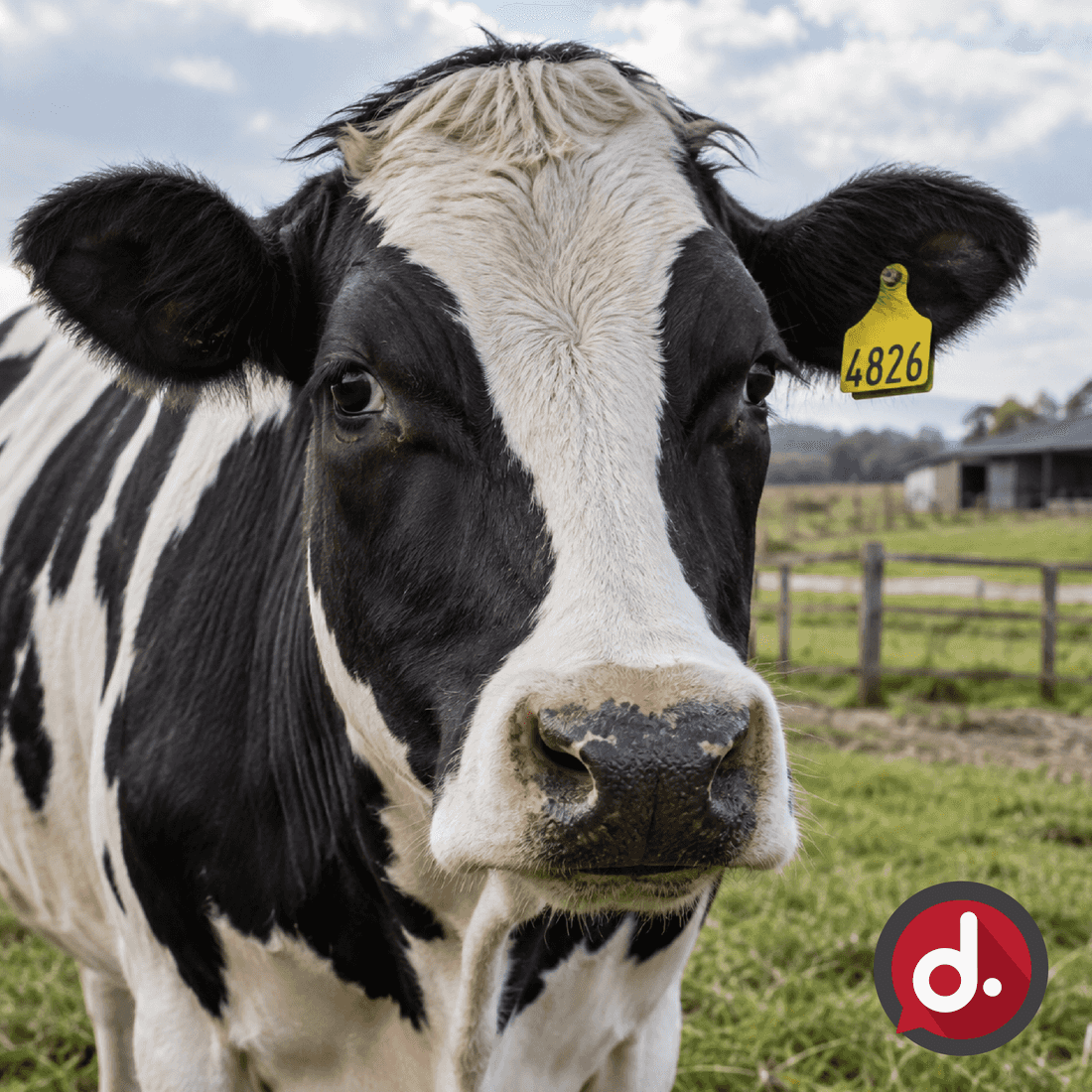
- Compulsory identification: Animals would be subject to identification requirements, including electronic and visual tags, microchips, tattoos or other approved methods, depending on the species.
- Expanded coverage: The regulations include cattle, sheep, goats, pigs, horses, donkeys, ostriches, rabbits, dogs and bee colonies.
- Registration requirements: Animal owners and their animals would need to be registered on the national INTERGIS database, with extensive recordkeeping obligations.
- Additional costs: Owners would bear the financial burden of identification devices, registration and related compliance expenses.
- Strict deadlines: Lambs and kids would need to be identified within three weeks of birth, while piglets would need identification within one week.
- Reporting obligations: Lost ear tags would need to be reported within seven days, while changes in animal ownership would need to be registered within seven days.
- Severe penalties: Failure to comply with the regulations could result in a fine or imprisonment of up to two years.
Why should I be concerned?
While animal identification can play an important role in preventing stock theft, managing disease outbreaks and establishing ownership, the proposed regulations raise important questions about cost, administrative complexity, enforcement and animal welfare.
Small-scale farmers could face additional expenses and paperwork. Pet owners may be uncertain about which identification requirements apply to their animals. The proposed penalties also raise concerns about whether administrative non-compliance should carry the threat of imprisonment.
The regulations could place substantial responsibilities on animal owners without adequately accounting for their financial circumstances or access to veterinary and administrative services.
Should someone keeping a handful of animals face the same regulatory burden as a large commercial farming operation? Are the proposed penalties reasonable?
These are questions the public deserves to have answered before the regulations are finalised.
Have your say
The government has invited public comments on the proposed regulations.
Whether you support the proposals, oppose them or believe they require amendments, your input matters.
Submit your comments before 29 December 2026.
DearSA provides a platform for South Africans to participate in the public consultation process and make their voices heard before the regulations are finalised.


